English uses small words called articles to show if something is general. Use a before words that start with a strong H sound. This makes sentences sound smooth. Words like “hotel,” “hat,” or “hilarious” all follow the same rule and are easier to read aloud.
Some words start with a quiet H, so they need an instead. Words like “hour” or “honest” begin with a vowel sound when spoken. Saying an honest answer or an hour later feels natural and avoids awkward pauses when talking or writing.
Correct usage depends on sound, not spelling. Focusing on the first sound of a word helps writers and speakers stay confident. Following this rule improves grammar, makes speech clear, and shows careful attention to pronunciation and language patterns.
Understanding Indefinite Articles: “A” vs “An”
- Use “a” before words that start with a consonant sound, like “a cat” or “a hero.”
- Use “an” before words that start with a vowel sound, like “an apple” or “an hour.”
- The rule depends on pronunciation, not spelling, so always listen to the first sound of the word.
The Sound Rule: Not Spelling, But Pronunciation
The choice between a and an depends on the sound at the start of a word. Words that begin with a vowel sound take an, while words starting with a strong consonant sound take a. This keeps sentences smooth and natural.
Paying attention to pronunciation makes speaking and writing easier. Words like “honest” need an because the H is silent, while words like “hilarious” need a. Listening to the first sound helps learners follow rules correctly and communicate clearly without mistakes.
- Choose a or an based on the word’s first sound, not its first letter.
- Words with a pronounced H, like “hilarious,” take a, while silent H words, like “honest,” take an.
- Listening carefully to pronunciation helps make sentences smooth, natural, and easy to understand.
Is It “A Hilarious” or “An Hilarious”? The Correct Form
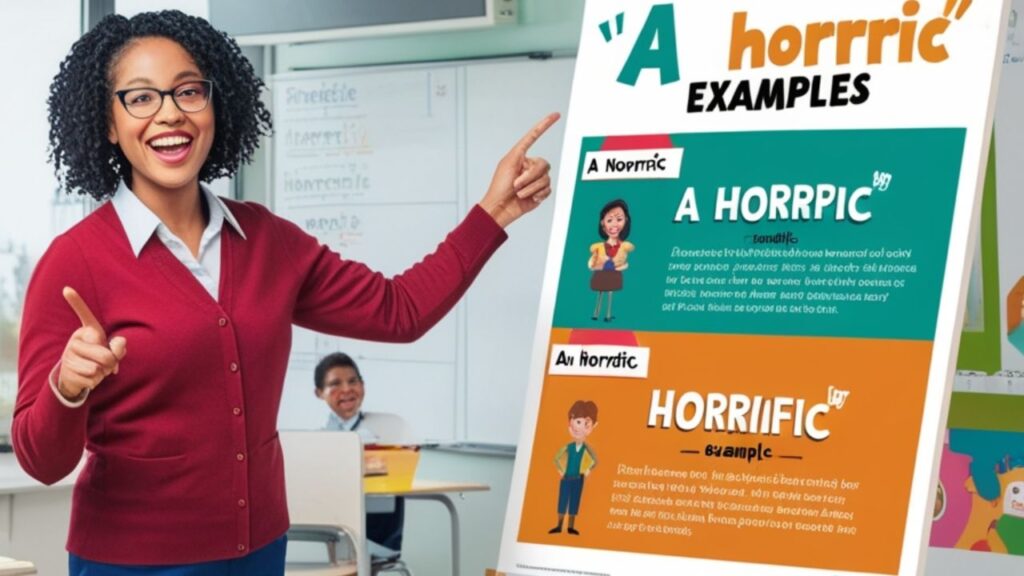
Here’s the correct answer:
✅ It’s always “a hilarious”, never “an hilarious” in modern English.
Why?
The word hilarious starts with a strong H sound, so it takes a instead of an. This rule follows how words are spoken, not how they are spelled. Correct pronunciation makes sentences clear, smooth, and easier for listeners to understand.
Following the sound of a word helps writers and speakers avoid mistakes. Words with a silent H, like “honest” or “hour,” take an, while pronounced H words follow a. Listening carefully to the first sound keeps grammar accurate and language natural.
Phonetics Breakdown: The Pronunciation of “Hilarious”
- The word hilarious begins with a strong H sound: /hɪˈlɛəriəs/.
- Because the H is pronounced, it takes the article a, not an.
- Understanding the phonetic sound helps speakers use grammar correctly and sound natural.
Why Some Say “An Hilarious” – The Misguided Exception
You might hear “an hilarious” in older books, speeches, or from people trying to sound formal or British. But that doesn’t make it correct today.
See also : Passersby vs Passerby: Correct Plural Explained
Historical Context:
In older English, some words starting with H were spoken softly or left out. Writers often used an before these words to sound formal. Modern pronunciation changed, so words like hilarious now clearly start with a strong H sound and follow different rules.
This shift shows how language evolves over time. Style guides now recommend using a with pronounced H words. Understanding these changes helps learners write correctly, speak naturally, and follow grammar rules while respecting the history of English usage.
- In older English, some words starting with H were spoken softly or silently, leading writers to use an instead of a.
- Words like “hilarious” were sometimes treated as if the H was silent in early British texts.
- Modern pronunciation uses a strong H sound, so current grammar rules prefer a for these words.
Common H-Words and Their Correct Articles
| Word | Correct Article | Reason |
| Hilarious | a hilarious | Pronounced H sound |
| Hour | an hour | Silent H → starts with vowel |
| Honest | an honest | Silent H → starts with vowel |
| Historical | a historical | H is pronounced in modern usage |
| Herb (US) | an herb | H is silent in American English |
| Herb (UK) | a herb | H is pronounced in British English |
When “An” Is the Right Choice: The Silent H Rule
There are exceptions. These happen when the H is completely silent, making the word start with a vowel sound.
Correct “An” Examples:
- Use an before words with a silent H, like an hour.
- Use an for words starting with a vowel sound, such as an honest answer.
- Formal phrases also follow this rule, for example, an honor to meet you.
Real Examples: “A Hilarious” in Use
Let’s test this in real, everyday sentences.
✅ Correct:
- That was a hilarious movie – it made everyone laugh nonstop.
- She told a hilarious joke that lightened up the whole room.
- He shared a hilarious story during the meeting that everyone enjoyed.
❌ Incorrect:
- It was an hilarious moment that sounded awkward to listeners.
- She made an hilarious comment, which feels unnatural in modern English.
- That turned out to be an hilarious story, but it reads incorrectly.
Case Study: Google Books Corpus and Real Usage
- The phrase “a hilarious” appears far more frequently than “an hilarious” in books since the 1950s.
- Usage of “an hilarious” peaked in early 20th-century British texts but declined rapidly afterward.
- Modern English across books, news, and speech overwhelmingly favors a hilarious for correct grammar.
The Role of Style Guides and Expert Opinions
Trusted style guides and expert advice help writers use grammar correctly. They show that words with a pronounced H sound take a, while words with silent H take an. Following these guidelines ensures writing is clear, professional, and easy to read.
Experts and dictionaries provide examples of proper usage in modern English. Paying attention to these sources improves communication and avoids mistakes. Writers who follow grammar rules and expert suggestions create sentences that sound natural and convey ideas confidently to readers and listeners.
What About Speech? Listening Is Key
- Saying words aloud helps determine if a or an sounds natural before H words.
- Words with a pronounced H, like “hilarious,” flow better with a in conversation.
- Listening carefully to pronunciation ensures speech is smooth, clear, and grammatically correct.
American vs. British English: Does It Matter?
Sometimes. But not here.
See also : Introduction To vs Introduction Of: Key Grammar Difference
Key differences:
- In American English, herb is pronounced without the H → use an herb.
- In British English, herb is pronounced with the H → use a herb.
- Words like hilarious have a pronounced H in both dialects → always use a hilarious.
Checklist: How to Choose Between “A” and “An” Instantly
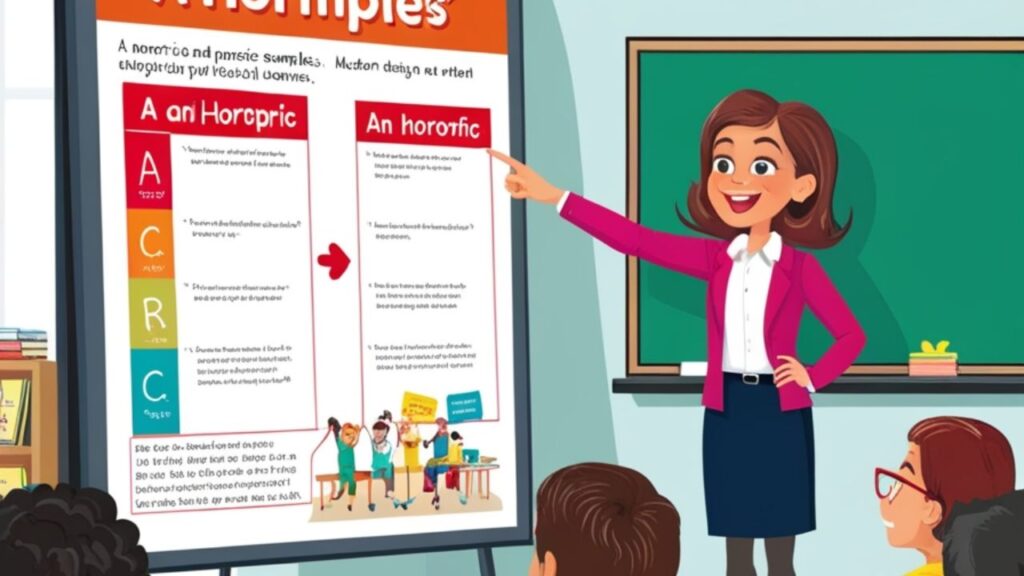
- Say the next word aloud to hear the first sound clearly.
- Use an if the word starts with a vowel sound; use a if it starts with a consonant sound.
- Focus on pronunciation, not spelling, for smooth and correct usage.
Grammar Mistakes to Avoid With H-Words
- Using an for all words that start with H, even when the H is pronounced.
- Following outdated formal British usage instead of modern pronunciation rules.
- Ignoring the first sound of the word and relying only on spelling.
FAQs:
When to use a or an?
Use a before words starting with a consonant sound and an before words starting with a vowel sound. Focus on pronunciation, not spelling.
Is it an horrific or a horrific?
It is a horrific because “horrific” starts with a pronounced H sound, which is a consonant sound.
Do you use a or an before the H word?
Words with a pronounced H take a, while words with silent H take an. Always listen to the first sound.
Is it an heroic or a heroic?
It is a heroic. The H in “heroic” is pronounced, so it follows the consonant sound rule.
Final Thoughts:
Using the correct article depends on pronunciation, not spelling. Words with a strong H sound take a, while silent H words take an. Following this rule keeps writing clear, natural, and easy for readers to understand every sentence.
Understanding this rule improves both speaking and writing. Paying attention to sound patterns and grammar guides helps learners use words confidently. Consistent practice with these rules ensures sentences flow smoothly and follow standard English conventions without causing confusion.

Join Bibcia on a journey to master English grammar. Discover easy lessons, writing tips, and practical examples designed to make learning grammar simple and effective.