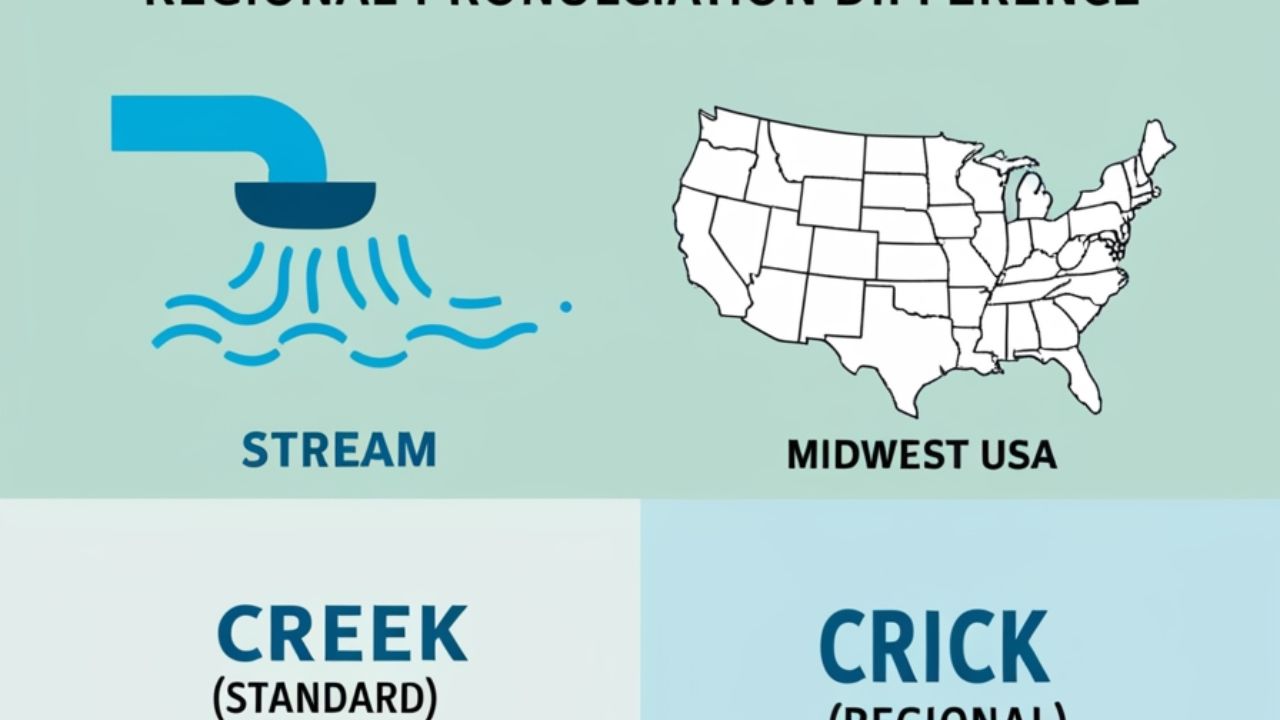
Creek is a small stream where clear water flows gently through the land. It moves around rocks and trees, making soft sounds that calm your mind. People often see animals near it, drinking water or playing close by.
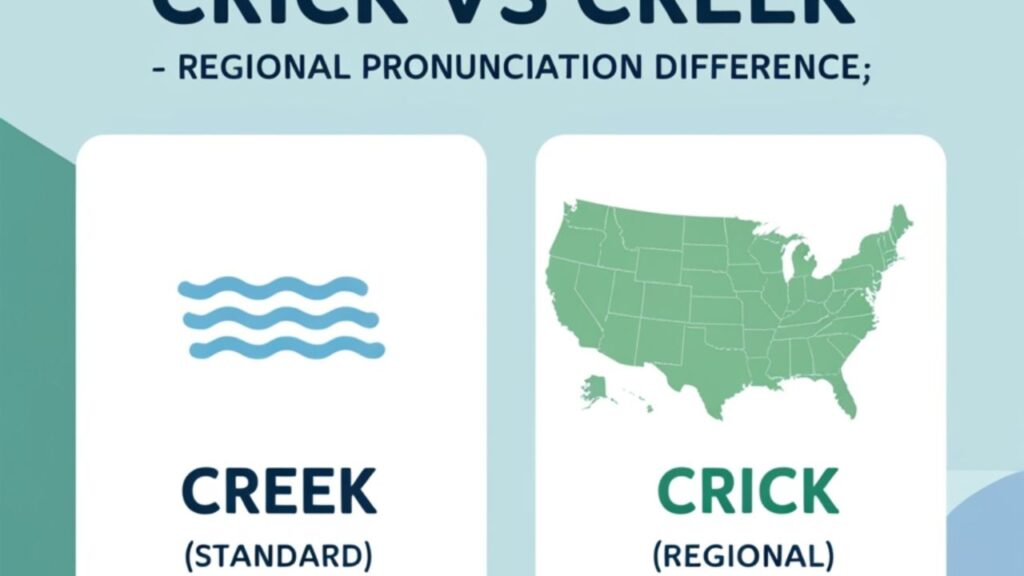
In some parts of America, people say Crick instead of creek. It means the same thing but sounds different because of how people in those places speak. This word shows their way of talking and keeps their old language alive.
Writers use these words to make stories sound real and full of life. Choosing one depends on where the story happens. Both words describe nature’s beauty and help readers imagine peaceful scenes filled with movement and sound.
Understanding the Linguistic Roots of “Creek” and “Crick”
The word Creek came from old English and meant a small bend or stream of water. People used it long ago to talk about little rivers near their homes. Over time, it became a common word in books and everyday speech.
The word Crick grew in towns and farms in parts of America. People said it in a softer, shorter way. It shows how language changes when people move to new places and keep their own way of speaking.
The Role of Phonology in Regional Pronunciations
Phonology helps people understand how words sound in different places. It studies the way voices change from one area to another. When people speak, their sounds can shift a little, making some words shorter or longer in tone.
In some regions, speakers change vowel sounds to fit their local talk. This is how regional pronunciation grows and becomes special. These sound patterns show the beauty of spoken language and how culture shapes the way words are heard.
| Region | Pronunciation | Common Term |
| Standard American | /kriːk/ | creek |
| Appalachia & Ozarks | /krɪk/ | crick |
| Upper Midwest | /krɪk/ | crick |
| Urban/Media Speech | /kriːk/ | creek |
Dialect, Identity, and Sociolects: More Than Just Sound
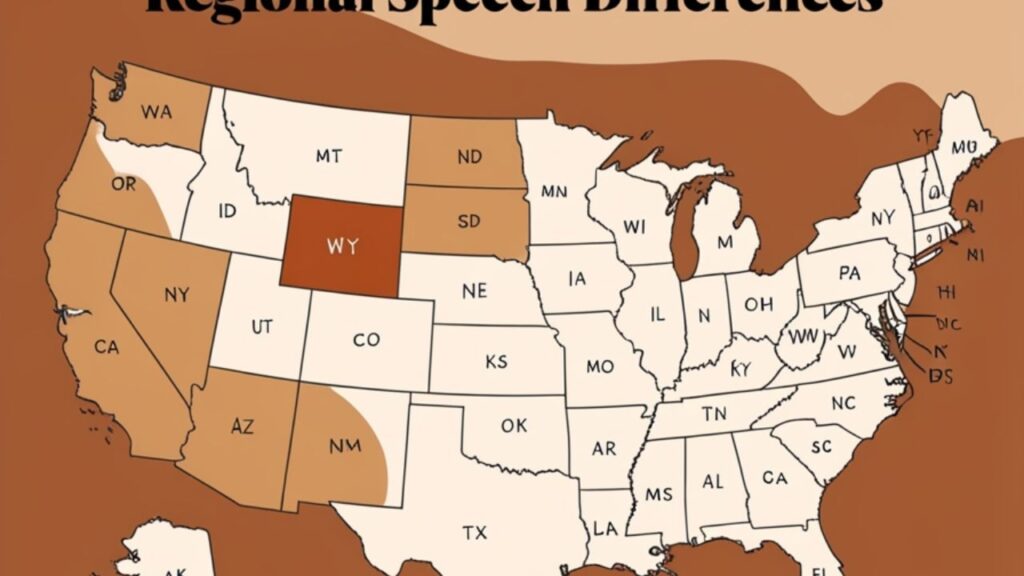
A Dialect shows how people from one place speak in their own special way. It tells others where they come from and what kind of life they live. Every sound, word, and tone shares a small story about their home and culture.
A Sociolect connects speech with groups of people who share work, school, or lifestyle. It helps build identity and brings people closer through familiar words. These speech styles make language colorful and show the beauty of human communication.
- Dialect shows how people from one area speak in a special way. It tells about their home, habits, and culture through simple sounds and words.
- Identity grows stronger when people share the same way of talking. It builds unity and pride in local speech.
- Sociolect connects language with social groups like workers, students, or families. It reflects lifestyle and helps people feel a sense of belonging.
Real-Life Examples of “Creek” vs. “Crick” in American Culture
Writers in American stories often use Creek to describe calm water flowing near homes or forests. It appears in poems, songs, and tales that talk about nature. This word paints pictures of peace, childhood memories, and life in the countryside.
In many rural places, people proudly use Crick when they speak. It sounds friendly and real in country songs, folk stories, and family talks. This word keeps local traditions alive and shows how language grows with culture and place.
- Creek appears in many American stories and songs to describe calm water and peaceful country life. It often brings soft, natural images to a reader’s mind.
- Crick is common in folk tales, country music, and small-town speech. It shows pride in local culture and rural roots.
- Authors and filmmakers use both words to make characters sound real. Each choice adds feeling, place, and truth to the story’s voice.
See also I Will Like To vs I Would Like To: What’s Correct?
Standard American English and “Creek”
In Standard American English, the word Creek means a small stream that runs through the land. It is used in schools, books, and maps. People understand it everywhere because it follows the common spelling and pronunciation rules of English.
Writers and teachers use Creek when they want their words to sound clear and formal. It fits in reports, lessons, and science talks about water or nature. This form keeps language simple, correct, and easy for everyone to read and learn.
- Creek is the accepted term in Standard American English, used to describe a small stream or waterway found in nature and geography lessons.
- Teachers, writers, and scientists prefer Creek because it follows proper spelling and pronunciation rules that everyone understands.
- Using Creek keeps writing clear and formal, making it suitable for school books, research papers, and official reports about land or water.
“Crick” as an Intentional Writing Choice
Many storytellers use Crick on purpose to make their characters sound real. It shows how people talk in small towns or farms. This word gives writing a friendly voice that helps readers feel close to the place and people.
Using Crick adds truth and color to stories about country life. It helps readers hear local speech in their minds. Authors choose it to show background, culture, and emotion, making the story sound warm, natural, and full of life.
- Crick helps writers show real speech from rural areas, making characters sound natural and true to their background.
- Authors use Crick to build a strong sense of place, showing how people talk in farms, towns, or mountains.
- Choosing Crick adds warmth and personality to stories, helping readers feel close to the characters and their simple way of life.
Idiomatic and Cultural Expressions Using “Creek” and “Crick”
Many people use Creek in sayings that describe life and trouble. When someone says “up the creek without a paddle,” it means being in a hard spot. This phrase shows how water words can paint strong pictures in everyday talk.
The word Crick appears in short expressions like “a crick in the neck.” It tells about a small pain that comes from sleeping wrong or sitting still too long. These phrases keep speech lively and easy to remember.
- The phrase “up the creek without a paddle” means being stuck in a tough situation with no help or easy way out.
- The saying “a crick in the neck” describes a small pain caused by turning or sleeping in the wrong way.
- Both Creek and Crick appear in common speech, showing how language connects everyday life, humor, and culture.
How to Decide Between “Creek” and “Crick” in Your Writing
Here’s a writer’s guide for making the right choice:
Recognize Your Audience
- Choose Crick when writing about rural places or local people, as it matches their natural way of speaking and living.
- Use Creek when writing for schools, news, or formal readers who expect standard English.
- Understanding your audience helps words sound right and keeps the message clear and respectful.
Stay Consistent
Once you choose a term, use it consistently throughout dialogue, narration, or regional context.
Honor the Setting
If your scene unfolds in rural America, a crick adds authenticity. If you’re describing geography or environmental data, go with creek.
Mind Style Guides
- Follow style guides like AP or Chicago Manual when deciding how to spell or use words in formal writing.
- These guides accept nonstandard spellings such as Crick only in dialogue or regional stories.
- Using proper rules keeps writing neat, clear, and easy for readers to trust and understand.
See also Wait vs Weight: Easy Guide to Spot the Real Difference
The Influence of Education, Media, and Mobility on Language Shift
- Education teaches standard speech in schools, helping many people use the same form of English across different regions.
- Media like TV and radio spread common accents and words, slowly reducing local differences in how people talk.
- Mobility allows families to move often, mixing regional voices and creating new ways of speaking that blend old and new sounds.
Final Thoughts
Both Creek and Crick share the same meaning but show different ways of speaking. Each word tells something about people, their homes, and their voices. They remind us that language grows and changes with time and place.
Writers use both forms to bring truth and warmth to their work. These words connect stories to real life and nature. They make reading richer and help everyone see how speech can hold history and heart together.
FAQs
Why do Americans say crick instead of creek
Some Americans say “crick” due to regional dialects and accents, especially in rural or Midwestern areas, where pronunciation naturally evolved over time.
What region says Crick instead of creek
“Crick” is commonly heard in the Midwest, Appalachia, and rural Pennsylvania, reflecting older English dialect influences preserved in American regional speech.
Is it creek or crick in your neck
The correct phrase is “crick in your neck.” It means a stiff or sore neck, unrelated to the word “creek,” which means a small stream.
How do you pronounce creek or crick
“Creek” rhymes with “peek,” while “crick” rhymes with “stick.” Both are correct, but “creek” is the standard American pronunciation.

Join Bibcia on a journey to master English grammar. Discover easy lessons, writing tips, and practical examples designed to make learning grammar simple and effective.