Its Self or Itself? Simple Grammar Guide Explained
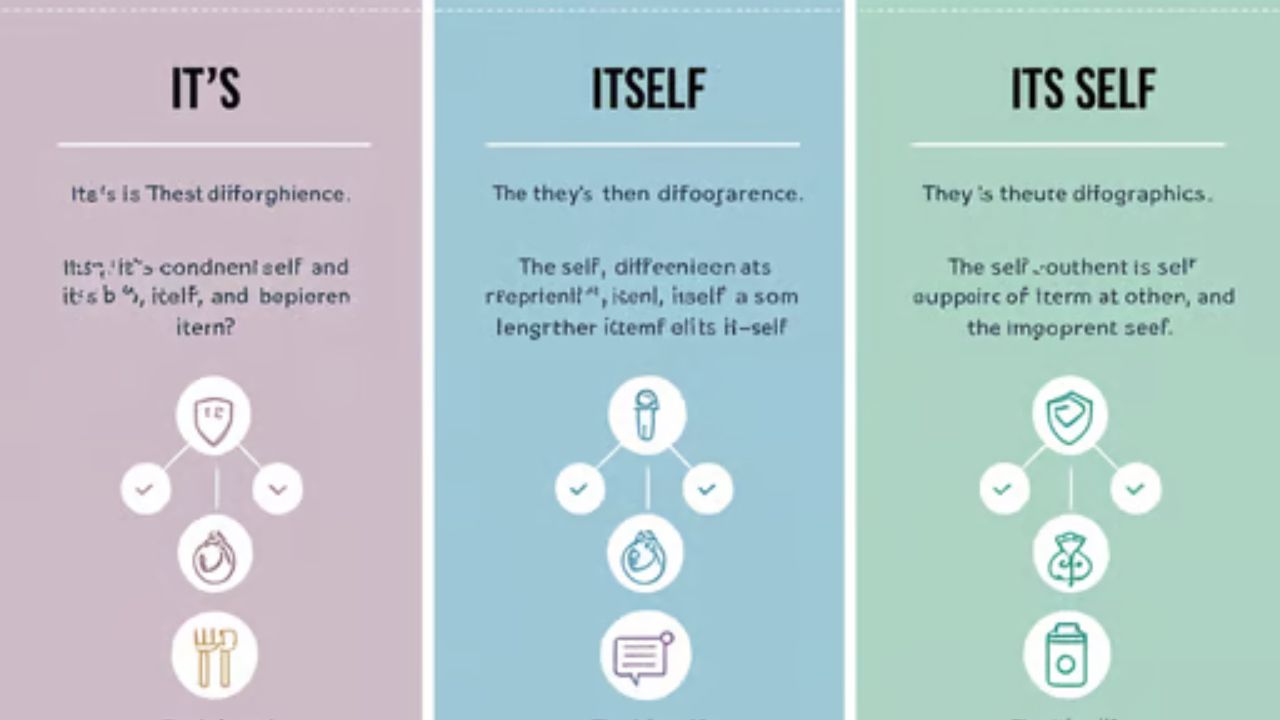
Itself is the correct word when something does an action on its own. For example, “The cat cleaned itself.” This ...
Read more
Associated To or With – Which Is Correct in English?

Many students confuse associated with and associated to because other languages use “to” after similar words. In English, writers always ...
Read more
Soo vs. So: Key Differences Explained Simply

The word so is part of everyday English. It helps to show cause, effect, or strong feelings. People use it ...
Read more
Propose or Purpose: Key Differences Explained Simply

The word propose means to share an idea with others. It is used when someone wants to suggest a plan, ...
Read more
Ageing vs Aging: Key Differences Explained Clearly
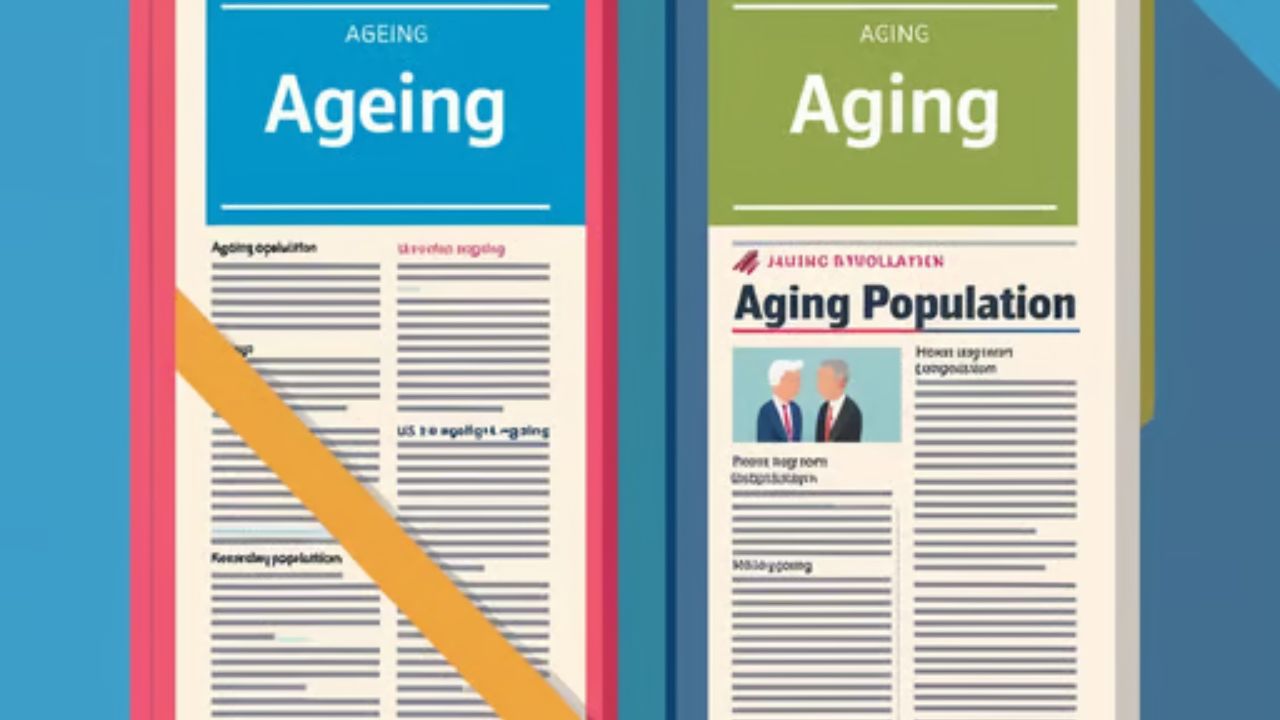
Ageing vs Aging shows how English spelling changes by region. In the UK and Australia, people write ageing with an ...
Read more
To Many vs Too Many: Grammar Rules & Real Examples
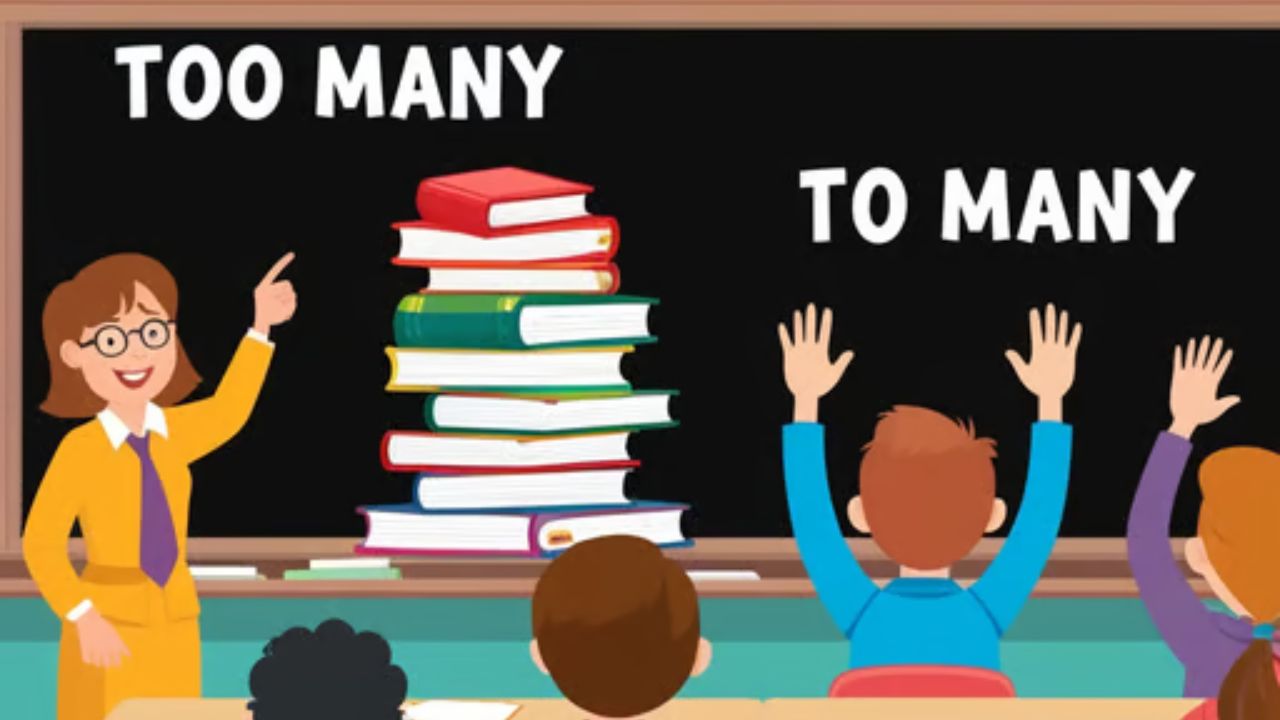
“Too many” shows there is more than enough of something. We use it with countable nouns like books, chairs, or ...
Read more
Skin in the Game: Meaning, Origin & Real Examples

Skin in the Game means putting your own money, time, or reputation at risk. It shows you care about the ...
Read more
What Is a Palindrome? Meaning, Examples & Everyday Uses
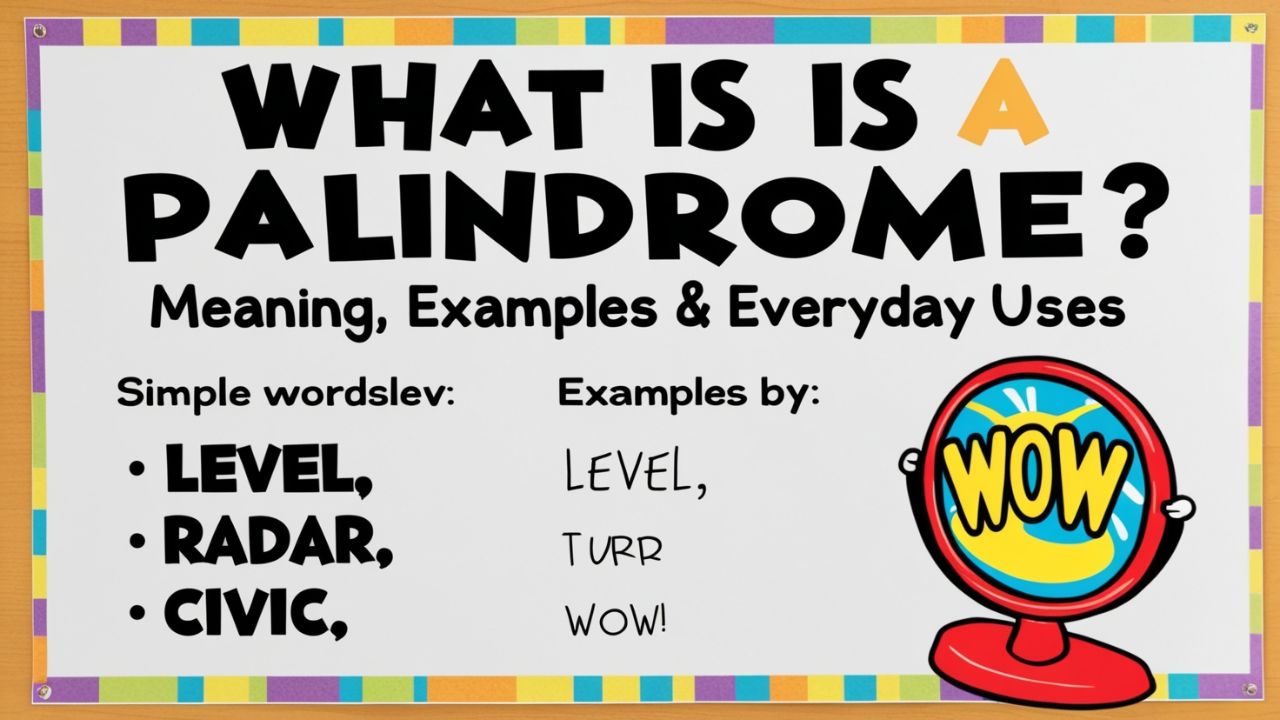
A palindrome is a special word, phrase, or number that reads the same forward and backward. It works like a ...
Read more
Reevaluation or Re-evaluation: Hyphen Rules Explained

The hyphen rules for “reevaluation” help make writing clear and easy to read. Using a hyphen, as in re-evaluation, shows ...
Read more
Heard vs Herd vs Hurd: Know the Key Differences

Heard shows something you listened to or noticed with your ears. People often use it when they talk about news, ...
Read more