Work experience means the things a person learns while doing a job. It shows what someone has done and how they can use that learning in other work. Good work experience helps people grow, get better jobs, and understand how workplaces function every day.
Many people say working experience, but it doesn’t sound right in formal English. It may appear correct, yet it’s not what teachers or employers use. Using work experience shows correct grammar, clear writing, and respect for professional English rules.
Students can start building work experience by helping in small school tasks or family businesses. Every little effort teaches new skills. Learning how to talk, listen, and finish work on time adds great value to a person’s growth and confidence.
Why the Confusion Exists: Work vs. Working
Many learners mix work experience and working experience because both sound close in meaning. The words come from lessons about grammar and daily talk. The mix-up happens when people learn English from other languages or read phrases that are not used in real jobs.
Teachers explain that work experience is the right term for school or job use. The other phrase feels less natural. Clear learning helps students remember which words fit best. Using the right phrase builds good language habits and strong writing skills.
- Many learners mix work experience and working experience because both sound almost the same. The small change in words makes big meaning differences in grammar and use.
- Some people learn English through other languages, so direct translation causes mistakes. That is why they use the wrong phrase in writing.
- Teachers explain that work experience is correct for jobs and studies. Learning this early helps students write clearly and follow good English habits.
What Does “Work Experience” Actually Mean?
“Work experience” refers to the knowledge, skills, and accomplishments someone gains through employment. It’s a standard term used globally in resumes, cover letters, and job interviews.
Definitions from top sources:
- Oxford Dictionary says work experience means the knowledge or skill a person gains while doing a job or working in a certain field.
- Cambridge Dictionary explains it as the jobs someone has done before, showing they are ready for a new position.
- Merriam-Webster Dictionary describes it as practical learning received from real work, helping a person grow in their career or studies.
See also “I Sent vs I Have Sent vs I Had Sent – Email Tense Guide”
Where it’s used:
- The term work experience is used in resumes and job applications to show what a person has done in past jobs.
- It appears on LinkedIn profiles, cover letters, and school reports to highlight practical skills.
- Companies and teachers use work experience in forms, training records, and professional documents to track learning and growth.
Is “Working Experience” a Real Term?
Some people use working experience when they talk about what they have done in jobs. It may sound fine in daily talk, but it is not the proper way to write in school or office papers. Professionals prefer simple and correct language.
Writers and teachers choose work experience because it fits English rules better. The other phrase looks strange to readers. Learning the right form helps students write with care, show respect for grammar, and sound confident in formal writing.
Here’s why:
- The phrase working experience sounds less natural in formal English because it changes the word form and meaning slightly.
- Work experience fits better with grammar rules and is accepted by schools and employers everywhere.
- Using the correct term shows good language learning, clear understanding, and respect for proper English use.
Work Experience vs. Working Experience – The Key Differences
The phrase work experience means the skills and learning a person gets from doing a job. It is the correct and accepted term in schools and offices. It sounds neat, clear, and helps people show what they have done in real work.
The phrase working experience looks similar but feels different in use. It sounds unusual in formal writing. People who use the right phrase show better understanding of grammar. This small difference helps make writing professional and easy to read.
| Feature | Work Experience | Working Experience |
| Grammar | Noun + Noun | Adjective + Noun |
| Accepted in resumes |  Yes Yes |  No No |
| Used in job applications | Yes | No |
| Found in job postings | Common | Rare |
| Sounds native/professional | Yes | No |
| Used globally | US, UK, Canada, EU, Australia | Limited/informal regions |
| Example | Work experience in accounting | Working experience in spreadsheets |
How These Terms Are Used Globally
In the US and UK:
- In the US and UK, people always use work experience when writing resumes, school reports, or job forms.
- The phrase working experience sounds unusual and is not common in professional English.
- Teachers and employers prefer work experience because it follows correct grammar and clear communication standards.
See also Stink vs Stank vs Stunk: Simple Grammar Explained
In Asia (India, China, Philippines):
- In Asia, especially in India, China, and the Philippines, some people use working experience because of direct translations from local languages.
- Global companies still prefer work experience in resumes and interviews for clear, correct English.
- Learning to use work experience helps students and workers match international writing and job standards.
Real Examples:
- ✅ Work Experience – Teacher at City School (2022–2024) guided students and managed classroom projects successfully.
- ✅ Work Experience – Sales Assistant at ABC Store (2020–2022) helped customers and improved store sales.
- ❌ Working Experience – sounds awkward in resumes and does not match standard professional English use.
Misconceptions Fueled by Translation
Quick Rule of Thumb:
If you’re writing in English for a global audience, stick with “work experience.”
Grammar Deep Dive: Noun vs. Adjective Forms
Work Experience:
- The phrase work experience shows what a person has learned and achieved while doing a job or task.
- It is used in resumes, interviews, and school records to share real job learning.
- Using work experience makes writing sound professional, correct, and easy to understand for everyone.
Working Experience:
The phrase working experience means learning while doing some kind of job or task. It tells that a person is busy working and gaining practice at that time. The meaning feels active, but it is not often used in school or office writing.
Writers choose work experience instead because it fits better in grammar and sounds more natural. The other phrase may seem fine in speaking, yet it looks strange in formal use. Knowing this helps students write correctly and confidently.
- The phrase working experience shows learning that happens while a person is doing a task or job. It sounds more like something happening now, not something already done.
- It is often used in talking, not in writing, because it feels less formal and less clear in grammar.
- People who write in English for school or work choose work experience instead to sound correct and professional.
How Employers Interpret the Two Terms
Recruiter insights:
“When I see ‘working experience’ on a resume, I assume the applicant didn’t get it professionally reviewed.” – Senior Recruiter, LinkedIn Talent Solutions
Resume Best Practices: Always Use “Work Experience”
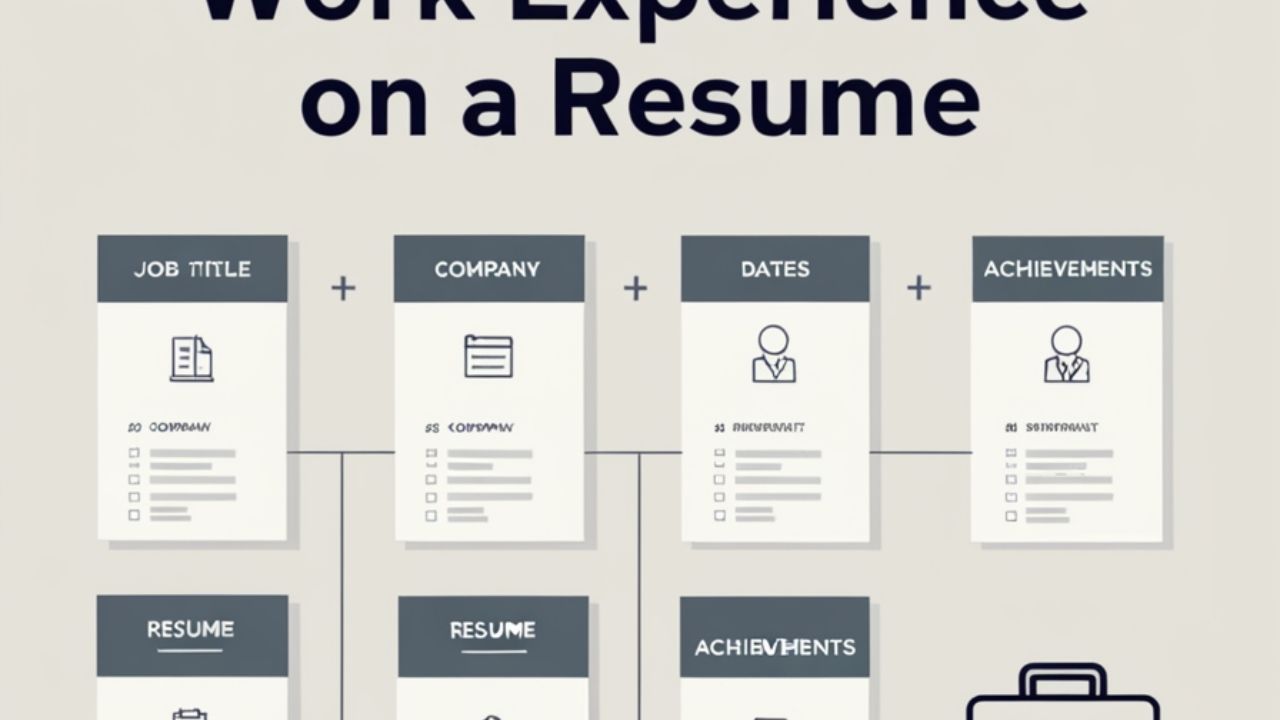
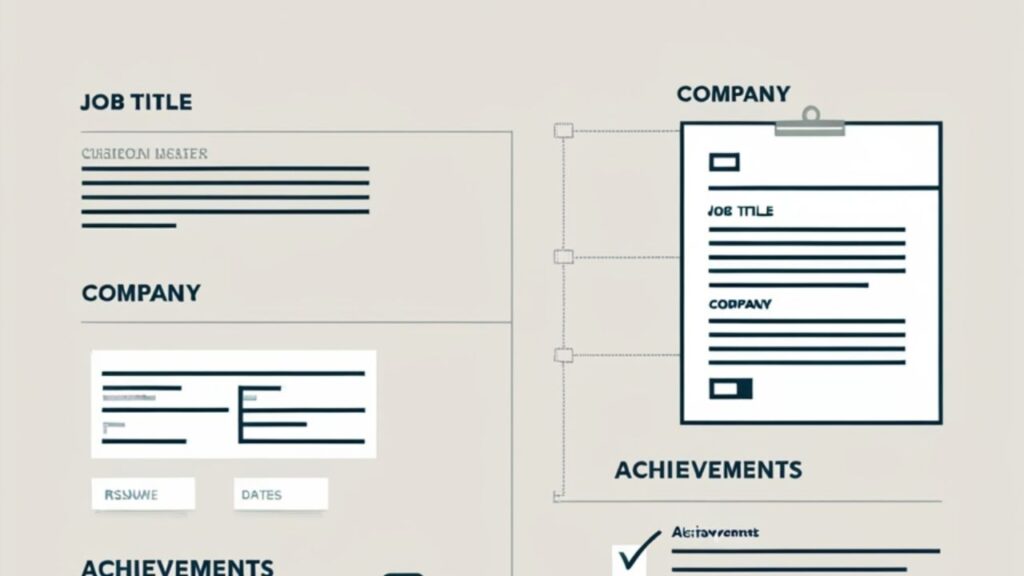
Your resume is often your first impression. Here’s how to structure this section:
Correct Heading:
- The proper title on a resume should be Work Experience, not Working Experience, to follow correct English and job-writing rules.
- This heading helps employers quickly see what a person has done in past jobs or tasks.
- Using Work Experience gives a neat, professional look and shows strong language skills in formal writing.
Work Experience
- Work experience means the learning, skills, and knowledge a person gains by doing real jobs or tasks over time.
- It helps students and workers show what they can do and how they have grown in their roles.
- Writing work experience correctly on resumes makes the document clear, professional, and easy for employers to read.
Sample Entries:
Software Engineer – Google LLC (2021–2023) Led cross-functional development on cloud-based AI solutions.
When Might You Hear “Working Experience” Used?
There are a few exceptions – mainly spoken English or educational contexts.
Examples:
- ✅ Work Experience – Junior Designer at Bright Studio (2022–2024) created posters and helped in client meetings.
- ✅ Work Experience – Shop Assistant at Fresh Mart (2021–2023) handled customers and managed billing counters.
- ❌ Working Experience – sounds unnatural and should not be used in resumes or formal documents.
Tips to Avoid the Mistake in Job Applications
- Always write work experience instead of working experience in resumes, cover letters, and job forms to sound correct and professional.
- Check spelling and grammar before sending any job document to make sure every word looks neat and clear.
- Use online tools like Grammarly or ask a teacher to review your writing so you can avoid small language mistakes.
AI Detection & Language Proofing in Modern Hiring
With the rise of AI-assisted recruitment, even small errors in wording can make or break your application.
What modern ATS tools look for:
- Modern ATS tools search for clear titles like Work Experience, correct grammar, and proper formatting in resumes.
- They scan for job-related keywords, skills, and experience that match the position listed.
- Using the right headings and simple language helps your resume pass ATS checks and reach real recruiters easily.
Quotes from Language Experts
Many teachers and writers say that work experience is the correct form to use. They explain that it sounds clear, simple, and professional. Experts agree that this term shows proper English use and helps people write better for jobs or school work.
Language experts add that working experience looks less natural in formal writing. They teach students to choose the right words for better understanding. Using the correct phrase shows care, respect for grammar, and strong learning skills in English writing.
Final Verdict: Stick with ‘Work Experience’ for Professional Use
- The phrase work experience is the right and accepted form in schools, offices, and job applications everywhere.
- It sounds natural, professional, and shows that the writer understands proper English use.
- Using work experience builds trust, creates a good impression, and helps your resume stand out in any job search.
Mini Quiz: Work Experience vs. Working Experience
This small quiz helps students learn how to use work experience in the right way. It gives short sentences where learners can fill in blanks. The activity makes grammar learning easy and builds confidence in using correct words for writing.
Teachers use the mini quiz to test how well students understand the difference between the two forms. By choosing the right answer, learners remember proper English use. Practice through simple examples helps improve spelling, grammar, and writing habits.
Final Thoughts
In the end, work experience is the right term to use in writing and speaking. It sounds clear and professional. Using the correct phrase helps students and workers show learning, skill, and understanding in a simple and proper way.
Teachers remind learners to keep good grammar habits. Choosing work experience shows respect for English rules. It also helps people write confidently for jobs or school tasks. Clear writing builds trust and makes communication easy for everyone.
FAQs
How can I say my work experience
You can say “my professional background,” “career experience,” or “employment history” to describe your work experience in a polished, formal way.
What do you mean by work experience
Work experience means the skills and knowledge gained from previous jobs, internships, or projects that show your ability to perform professional tasks effectively.
What is a better word for work experience
Better alternatives include “professional background,” “employment history,” “career experience,” “job history,” or “relevant experience,” depending on your resume or context.
Can I put work experience on my resume
Yes, you should include work experience on your resume to highlight your previous roles, responsibilities, achievements, and skills relevant to the job.

Join Bibcia on a journey to master English grammar. Discover easy lessons, writing tips, and practical examples designed to make learning grammar simple and effective.